
Dealing with yellowing that's crept in gradually over the years? Dentist Open Now connects you with a specialist in Auburn, WA who treats this specific issue every week, not occasionally.
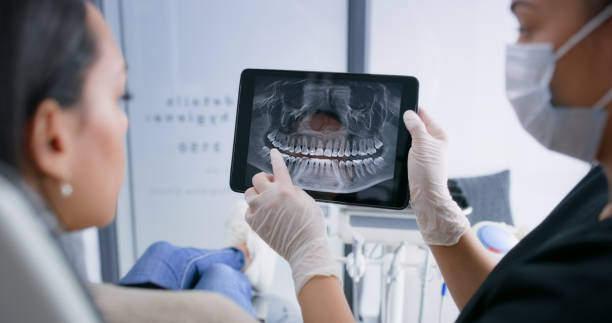
Call the number below and a scheduling coordinator finds you the next available specialist.
+1-866-227-2801 Call Now
Not all discoloration responds the same way to whitening, which is why a proper consult starts by identifying whether the staining is surface-level or set deeper in the tooth. Surface staining from food and drink typically responds fastest to professional-strength whitening treatments. Intrinsic staining, like the kind caused by certain medications or old trauma to a tooth, may need veneers or bonding instead of whitening alone.
Professional treatments use stronger whitening agents than anything sold over the counter, applied under supervision to protect your gums. A custom tray kit is commonly provided afterward so you can maintain results without repeat office visits.
Diet matters just as much after whitening as the treatment itself — coffee, red wine, and tobacco start re-staining enamel within days if habits don't change. A touch-up tray a few times a year is usually enough to maintain the brighter shade long-term.
Clinical-grade whitening agents lift stains faster than anything available without a prescription.
A protective barrier shields your gums from the whitening gel during the entire treatment.
A single appointment is usually enough for a visible shade improvement, unlike gradual take-home-only kits.
Fitted trays let you touch up results at home between office visits.
Our network specialists cover the full range of this procedure, from the routine case to the complicated one.
A single session using clinical-strength gel activated under controlled light or heat.
Fitted trays and prescription-strength gel let you maintain or boost results at home.
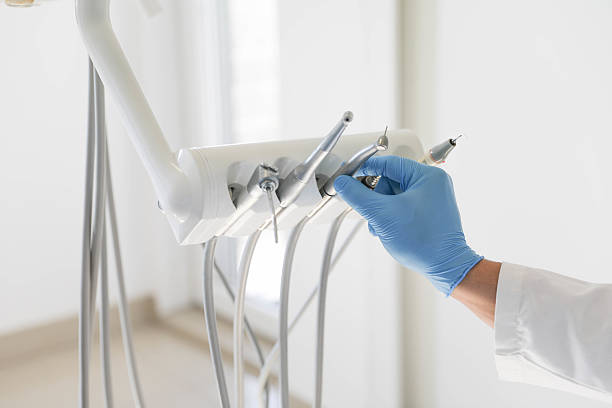
Surface stains from coffee, wine, or tobacco are treated differently than deeper intrinsic discoloration.
Desensitizing gel and adjusted treatment timing help patients prone to tooth sensitivity.
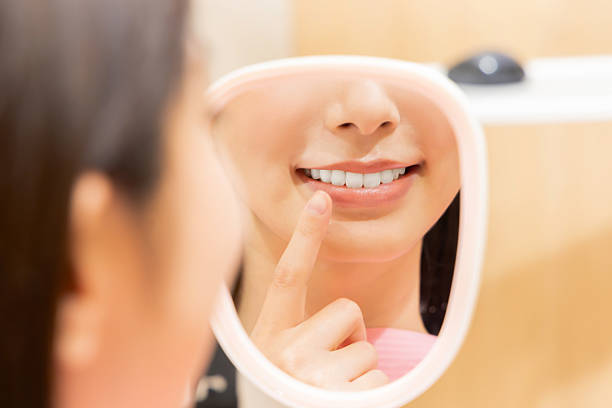
An exam checks for cavities or exposed roots that whitening gel could otherwise irritate.
For stains whitening can't fully lift, bonding covers the remaining discoloration selectively.
A coordinator answers and asks a few quick questions about your specific case and how soon you need care.
We match you with a nearby specialist experienced in this exact procedure and check real-time openings.
You get a clear explanation of the treatment plan and its cost before any work begins.
You leave with the issue addressed and a plan for any next steps already scheduled.
"Explained every step before doing anything. First time a dental visit didn't feel rushed."
"Got in faster than I expected for something this specific. Staff were sharp and direct."
"Price they quoted on the phone matched the invoice exactly. No surprise charges."
Results vary by starting shade and stain type, but several shades of improvement is common after one session.
Desensitizing steps are built into the protocol for patients who are prone to sensitivity.
Results typically last six months to two years depending on diet and habits like coffee or smoking.
In-office whitening includes safeguards for your gums that generic drugstore kits don't offer.
Most adults are candidates, though your provider will flag cases better suited to veneers or bonding instead.
Pricing is confirmed upfront and varies based on the specific whitening method chosen.
We keep an updated roster of specialists across Auburn and the surrounding zip codes, so a nearby provider is already in our network.
Every provider carries an active WA dental license, verified before referral.
A short phone call is all it takes to get this on the calendar this week.
Call +1-866-227-2801 Now